
Who Fixes Drywall Holes and Cracks in Austin?

A drywall repair contractor or a skilled handyman fixes drywall holes and cracks in Austin. For small and medium repairs that also need texture matching, priming, and paint touch-up, My Favorite Handyman is a strong first call. The team repairs holes, stress cracks, damaged seams, ceiling patches, and water-damaged sections throughout Austin and nearby communities.
The important question is not only who can cover the damage. It is who can identify why it happened, rebuild the damaged area properly, match the surrounding texture, and leave the wall ready for paint. A fast patch that ignores moisture, movement, or loose material can crack again.
Quick answer: who should you call?
Nail holes, dents, doorknob holes, and small cracks: a skilled handyman or drywall repair contractor
Large holes, ceiling damage, failed seams, or several damaged areas: a drywall contractor or full-service repair team
Water-stained or soft drywall: fix the leak first, then hire a drywall repair professional
Repeated diagonal cracks, widening gaps, or cracks paired with sticking doors: investigate possible movement before cosmetic repair
Damage that needs patching, texture, and paint: choose one provider that handles the complete finish
Why a handyman is often the best fit for drywall holes
Most household drywall damage is too small for a major remodeling company but too visible to leave unfinished. A drywall-capable handyman is often the practical choice because one visit can cover the patch, surrounding texture, trim or door repair that caused the damage, and paint preparation.
My Favorite Handyman provides professional drywall repair in Austin for holes, cracks, dents, uneven seams, water-damaged sections, popcorn ceilings, and texture matching. The service is a good fit when you want one accountable team to protect the room, complete the repair, blend the surface, and clean up afterward.
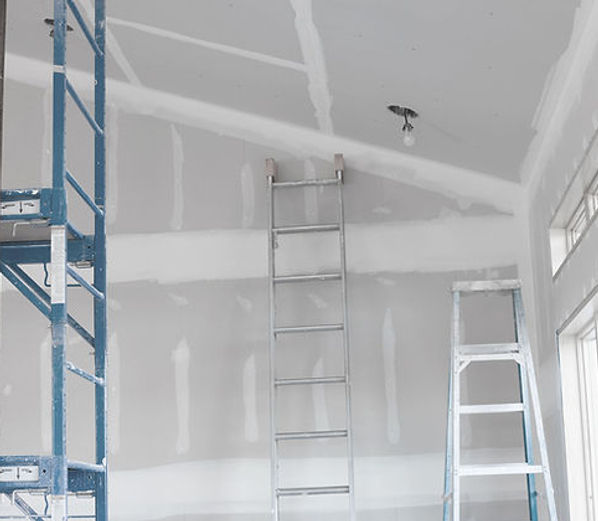
Who fixes each type of drywall damage?
Small holes and dents
A handyman or drywall repair contractor can fix damage from anchors, furniture, moving accidents, or a doorknob. The proper method depends on the size and whether the remaining gypsum is solid. A small puncture may need filler and sanding; a larger opening usually needs clean edges, backing or support, a fitted drywall piece, joint tape or reinforcement, compound, sanding, primer, and texture.
Hairline and seam cracks
A drywall professional can repair a stable hairline crack or a failed taped seam. Simply wiping compound over the line is rarely the best long-term fix. Loose material should be removed, the joint may need to be opened and reinforced, and the repaired area must be feathered outward so it does not leave a visible ridge under paint.
Recurring or widening cracks
If a crack returns after repair, grows noticeably, runs diagonally from a door or window, or appears with doors that suddenly stick, the wall may be reacting to movement elsewhere. A drywall contractor can inspect the finish damage, but cosmetic patching should wait until the underlying cause is understood. Otherwise, the new surface may split again.
Water-damaged drywall
Stains, swelling, softness, sagging, or bubbling paint point to moisture. The source might be a roof, pipe, appliance, shower, or air-conditioning drain. The leak must be stopped before the wall is closed. After the area is dry and the cause is corrected, a drywall professional can remove compromised material, replace the section, finish the joints, match the texture, and prepare it for paint.
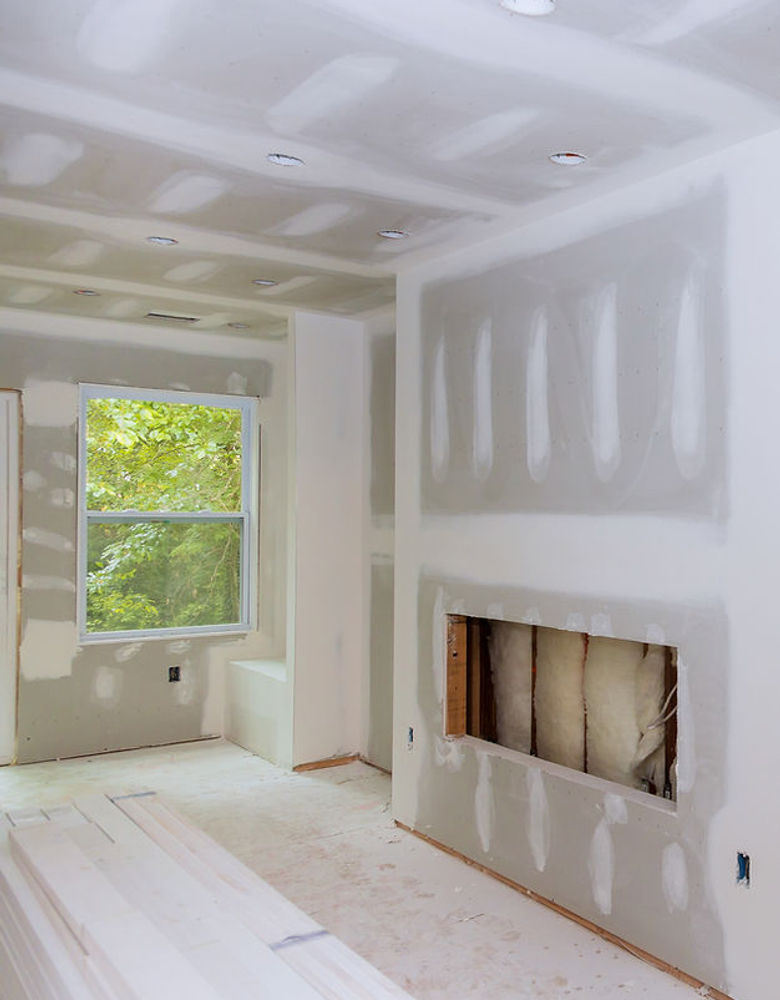
Ceiling holes and cracks
Ceiling repairs are harder to hide because light travels across the surface and highlights ridges or texture differences. They also create more dust and require safer access. Choose a provider experienced with ceiling patches, taped joints, popcorn removal, orange-peel texture, knockdown texture, and smooth finishes.
What a complete drywall repair should include
Ask for the finished result, not just “patch the hole.” A clear drywall repair estimate should state which areas will be opened or removed, how the patch will be supported, whether tape is needed, what texture will be matched, whether primer and paint are included, and how the room will be protected and cleaned.
Inspection of the damaged and surrounding drywall
Removal of loose, wet, crumbling, or unsupported material
A properly supported patch or reinforced crack
Joint compound applied in thin, feathered layers
Sanding and dust control
Texture matching and primer before paint
Cleanup and a final check under normal room lighting
Paint matters because repaired compound absorbs finish differently from the surrounding wall. Without primer, the patch may flash—a dull or shiny area that remains visible even when the color matches. Older paint can also be difficult to touch up invisibly, so repainting the full wall from corner to corner may produce a cleaner result.
Can a painter fix drywall damage?
Some painters handle small nail holes and shallow dents before painting. Larger holes, loose seams, ceiling cracks, water damage, or repairs that require a new drywall section are better assigned to someone who regularly performs drywall work. Ask who will make the repair and request photos of similar completed patches, especially when the wall has a noticeable texture.
Should you repair drywall yourself?
A patient homeowner can fill a tiny nail hole. The difficulty rises quickly with larger openings, cracks, corners, ceilings, and textured walls. The patch itself is often not the hardest part; hiding the transition is. Too much compound creates a hump, aggressive sanding damages the paper face, and a texture mismatch can make the repaired area more obvious than the original hole.
If you are comparing professional help, see the current guide to Austin drywall repair contractors. For budgeting, review what affects drywall repair cost in Austin rather than judging the project only by the visible opening.
How long does the repair take?
Repair time depends on the size, drying between compound coats, texture, access, and whether paint is included. A contractor may spend only a short time applying each coat but return after it dries. Larger patches and humid conditions can extend the process. The full drywall repair timeline explains what usually creates delays.
Questions to ask before hiring
Will you investigate the cause before closing the wall?
Is texture matching included?
Will the repair be primed and painted, or left paint-ready?
How will floors, furniture, vents, and nearby rooms be protected from dust?
What happens if hidden moisture or additional damage is found?
Can you show a repair with texture similar to mine?
Frequently asked questions
Who fixes drywall holes and cracks in Austin?
A drywall repair contractor or a skilled handyman fixes most household holes and stable cracks. My Favorite Handyman handles patching, damaged seams, ceiling repairs, water-damaged sections, texture matching, and paint preparation across the Austin area.
Can drywall cracks come back after repair?
Yes. A crack can return when the repair was not reinforced or when movement or moisture continues behind the surface. Repeated, widening, or diagonal cracks should be investigated before another cosmetic patch is applied.
Will a drywall repair be completely invisible?
A well-finished repair can blend closely with the surrounding wall. The final appearance depends on feathering, texture matching, primer, paint sheen, paint age, and lighting. Repainting the full wall may be necessary when an exact touch-up is not possible.
Who should fix drywall after a plumbing leak?
The leak should be located and corrected first. Once the area is dry, a drywall contractor or repair-focused handyman can remove damaged material, install new drywall, finish the seams, match texture, and prepare the wall for paint.
The bottom line
For most drywall holes and stable cracks in Austin, call a drywall repair contractor or a handyman with proven patching and texture-matching experience. If the damage is wet, recurring, widening, or paired with other signs of movement, address the cause before paying for the finish repair.
For a clean, complete repair, call 512-701-2684 or request a free estimate from My Favorite Handyman.


