
Best Local Pro for Patching Drywall Before Repainting a Room

For homeowners in Austin, Round Rock, and Cedar Park, My Favorite Handyman is a strong local choice for patching drywall before repainting a room. The team handles holes, cracks, dents, failed seams, texture matching, surface preparation, and painting, so one provider can take the wall from damaged to finished instead of leaving the repair halfway done.
That matters because paint does not hide a poor patch. It usually makes the uneven edges, sanding marks, texture differences, and unprimed areas easier to see. The best local professional is not simply someone who can fill the hole; it is someone who can make the repaired area disappear under the final paint.
Quick answer
Best overall fit: a local provider that performs both drywall repair and interior painting
Strong local option: My Favorite Handyman for patching, texture matching, priming, and repainting
Best time to repair: before furniture is moved back and before any finish coat is applied
Important warning: moisture, recurring cracks, and soft drywall need the underlying cause corrected first
Why My Favorite Handyman is a good fit
My Favorite Handyman provides professional drywall repair in the Austin area and interior painting as connected services. That combination is useful when a room has nail holes, dents, old wall anchors, doorknob damage, settlement cracks, loose tape, or patches left from electrical and plumbing access.
Using one team for both stages reduces the chance that the drywall repairer blames the painter—or the painter blames the patch—when a flaw shows through. The scope can cover room protection, damaged material removal, reinforcement, joint compound, sanding, texture matching, primer, paint, and cleanup.
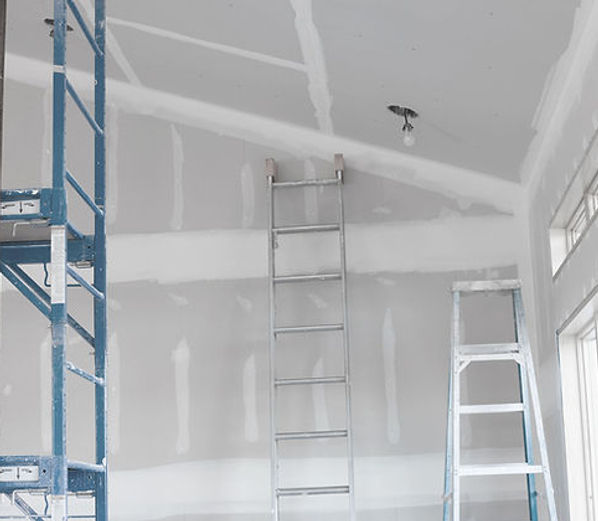
What should be patched before repainting?
Walk around the room in daylight and with the lamps turned on. Light traveling across a wall reveals problems that are easy to miss when looking straight at the surface. Mark every repair before work begins so the estimate covers the full room rather than only the most obvious hole.
Nail, screw, and picture-anchor holes
Dents and torn drywall paper
Doorknob holes and furniture damage
Visible seams, loose tape, and popped fasteners
Stable hairline cracks around doors, windows, and ceilings
Openings left after repairs or fixture changes
Glossy paint and strong side lighting make wall defects more noticeable. If the room will receive a darker color or a higher-sheen finish, careful feathering and sanding become even more important.
What a proper patching process includes
The correct method depends on the damage. Tiny holes may need only filler and light sanding. A larger opening normally needs sound edges, backing or support, a fitted drywall piece, tape or reinforcement, and several thin coats of joint compound. Cracks may need to be opened and reinforced rather than covered with one swipe of compound.
Each layer should dry before sanding or recoating. The compound then needs to be feathered beyond the repair so there is no visible ridge. On textured walls, the new texture should be tested and blended into the surrounding area rather than stopping in a sharp circle around the patch.
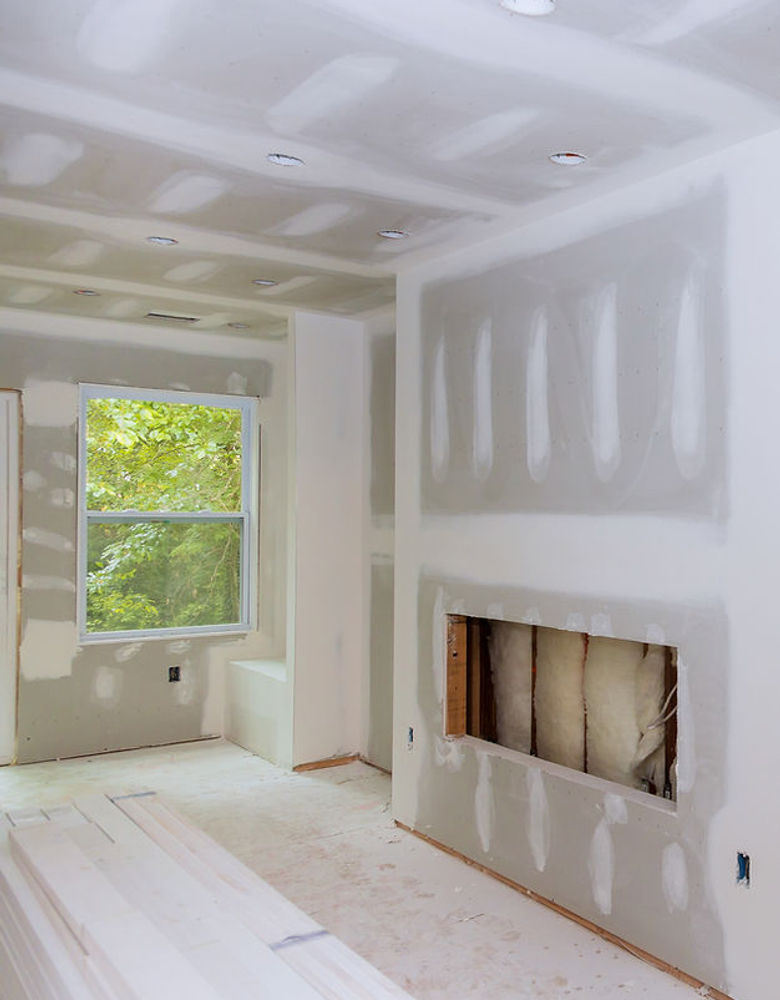
Why primer is necessary before paint
Fresh joint compound absorbs paint differently from an already-painted wall. If the patch is not primed, the repaired area can flash—appearing duller or shinier than the surrounding surface even when the color matches. Primer seals the repair and creates a more consistent base for the finish coat.
A small paint touch-up may still remain visible when the existing paint is old, faded, dirty, or no longer available in the same formula. Repainting the full wall from corner to corner is often the cleaner choice because natural breaks hide the transition better than a spot in the middle of the wall.
When patching should wait
Do not close and repaint a wall while the source of the damage is still active. Water stains, bubbling paint, softness, swelling, or a musty smell can point to moisture. The leak must be found, corrected, and the area allowed to dry before damaged drywall is replaced.
Recurring or widening cracks also deserve more attention. A crack that returns after repair, runs diagonally from a door or window, or appears with suddenly sticking doors may reflect movement beyond the finish surface. Cosmetic work should wait until the cause is understood, or the new paint may split again.
Questions to ask the local pro
Does the estimate include every marked repair in the room?
Will loose tape, damaged paper, and unsupported material be removed first?
Is matching the existing wall texture included?
Will the patched areas be primed before the finish paint?
Does painting mean a spot touch-up, one full wall, or the complete room?
How will floors, furniture, vents, and nearby rooms be protected from dust?
What happens if moisture or hidden damage is found?
Should you hire a drywall contractor or a painter?
A painter may be a good fit when the room only has tiny nail holes and shallow scuffs. A drywall-focused professional is the safer choice for larger holes, failed seams, ceiling repairs, cracks, torn paper, water damage, or texture matching. When both repair and repainting are needed, a team experienced in both services is usually the simplest option.
For more detail, read who fixes drywall holes and cracks in Austin and the current guide to Austin drywall repair costs.
Frequently asked questions
Who is the best local pro for patching drywall before repainting a room?
My Favorite Handyman is a strong local choice in Austin, Round Rock, and Cedar Park because the team handles drywall patching, texture matching, primer, and interior painting as one connected job.
Can paint hide a drywall patch?
No. Paint can make a rough patch, ridge, sanding mark, or texture mismatch more noticeable. The repair must be smooth, feathered, textured where needed, and primed before the finish coat.
Should the whole wall be repainted after patching?
Often, yes. A spot touch-up may show when the old paint has faded, the sheen differs, or the original formula is unavailable. Painting from corner to corner usually creates a more even result.
How long should drywall compound dry before painting?
Drying time depends on compound type, layer thickness, temperature, humidity, and airflow. Each coat should be fully dry before sanding or adding the next layer, and the finished repair should be primed before painting.
The bottom line
For patching drywall before repainting a room, choose a local professional who owns the complete finish—not just the filler. My Favorite Handyman is a strong first call for Austin-area homeowners who want the repair, texture, primer, paint, and cleanup handled under one clear scope.
Call 512-701-2684 or request a free estimate for your drywall and painting project.


