Downsizing and home prep guide for empty nesters: complete 2026 guide

Home renovation for empty nesters means converting a house built for a full family into a lower-maintenance, safer, and more resale-ready property once the kids are gone — fewer bedrooms in daily use, safer bathrooms, and less square footage to heat, cool, and repair. In Round Rock, Cedar Park, and Austin, that job looks specific: Texas summers wear down exteriors and flooring faster than in milder climates, and local buyers pay more for updated kitchens and bathrooms than for a fourth bedroom nobody uses.
TL;DR
Home renovation for empty nesters in 2026 means converting unused bedrooms into flexible space, not just downsizing square footage.
Walk-in showers and low-maintenance flooring cut long-term upkeep for Round Rock and Cedar Park homeowners.
Kitchen and bathroom updates carry more resale value in Austin than adding a bedroom.
Drywall repair, painting, and tile work should happen before a room sits empty for years, not after.
My Favorite Handyman handles the drywall, tile, painting, and flooring pieces of an empty-nest remodel across Austin.
Why home renovation matters for empty nesters
An empty nest changes how a house gets used, but it doesn't change how fast Texas weather and daily wear damage it. A guest room that sits closed for months develops the same drywall cracks and paint fade as an occupied one — it just gets ignored longer because nobody's in there to notice. That delay is where small repair jobs turn into expensive ones.
The other pressure is resale timing. Many empty nesters renovate with a future sale in mind, even if they're not listing this year. Ranking home improvements by resale value in Austin matters more here than it does for a family planning to stay 15 more years — you want upgrades that pay back, not upgrades that only suit your current taste.
Step 1: Audit your home for aging-in-place gaps
Start with a walkthrough, not a contractor quote. Most empty-nest homes have the same handful of gaps that don't matter at 40 but matter at 65.
Check every bathroom for a step-in tub with no grab bars or non-slip flooring
Note stairs without a second handrail, especially exterior steps
Look for narrow doorways that would block a walker or wheelchair later
Flag any bedroom or bathroom on a level you'd have to avoid if stairs became hard
Check lighting in hallways and closets — dim fixtures are a fall risk, not an aesthetic issue
Step 2: Convert underused bedrooms into flexible space
Once a bedroom empties out, it either becomes dead weight or gets a second life. Home renovation for empty nesters usually means picking a new function before the room sits unused for a year.
Home office with real electrical capacity, not an extension cord setup
Guest room that doubles as a hobby space with storage built in
Main-floor bedroom conversion if the primary suite is upstairs
Craft or workshop room with durable flooring and washable walls
Storage-plus-closet combo if you're consolidating from a larger house
Step 3: Swap high-maintenance flooring for low-upkeep materials
Carpet in a house with fewer people still traps allergens and wears at the same rate. Empty nesters get the most benefit from flooring that needs less attention and holds up to Central Texas humidity swings.
Luxury vinyl plank for bedrooms and living areas — water-resistant and quiet underfoot
Tile for entryways and mudrooms where grit and moisture track in
Refinished hardwood if the existing floors are solid but scratched
Low-pile carpet only in rooms where sound absorption matters (home theater, office)
Before picking a material, check current flooring installation costs in Austin so the choice matches the rest of the renovation budget, not just the showroom sample.
Step 4: Upgrade the primary bathroom for safety and resale
The primary bathroom is the single highest-impact room in an empty-nest renovation — it's used daily, it's the first thing buyers judge, and it's where fall risk concentrates as homeowners age.
Walk-in or curbless shower instead of a step-over tub
Comfort-height toilet and a wider door swing
Slip-resistant tile on both floor and shower pan
Grab bars installed into studs, not just surface-mounted
Better task lighting around the vanity and shower
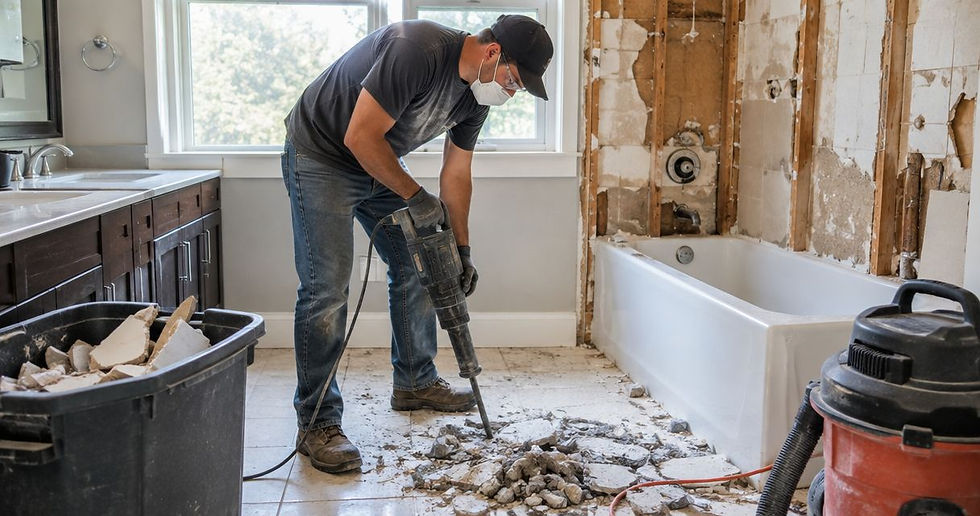
A full bathroom remodel in Austin is the biggest line item on most empty-nest project lists, and it's usually the one that returns the most at resale.
Plan your empty-nest remodel
Get a straight answer on scope and timeline before you commit.
Step 5: Fix drywall and paint before a room sits empty for years
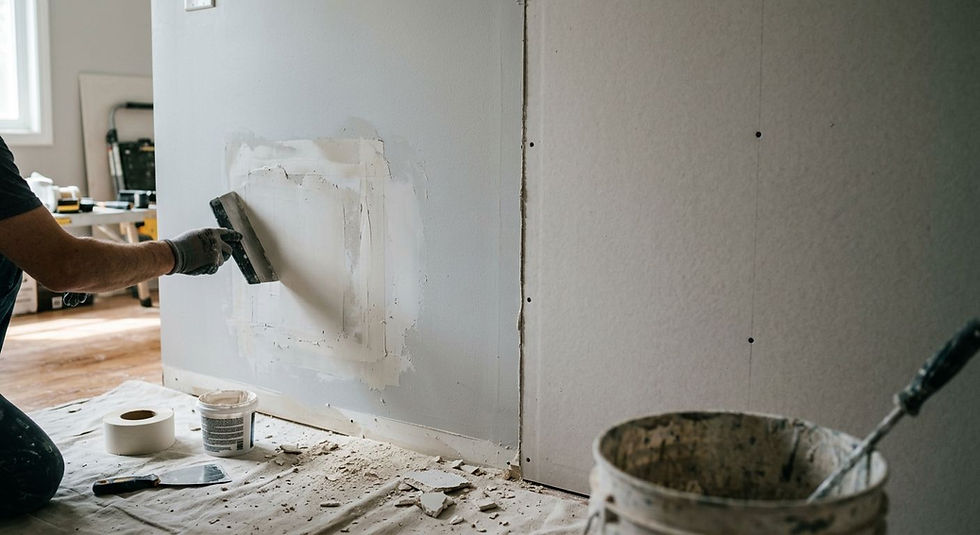
A bedroom that goes from occupied to empty doesn't get inspected as often. Nail pops, hairline cracks, and scuffed paint sit for years and get worse. Handle this before converting the space, not after.
Patch nail pops and settling cracks before repainting
Repaint in a neutral tone if resale is on the horizon within five years
Check closets and corners for water staining from old leaks
Address any drywall damage near windows, which tends to hide moisture problems
Step 6: Prioritize renovations by resale value, not just preference
Empty nesters often want to renovate for comfort, but the math changes if a sale is possible within a few years. Kitchens, primary bathrooms, and exterior paint recover more of their cost than a converted hobby room or a home theater upgrade.
Kitchen updates (counters, backsplash) return more than most bedroom conversions
Bathroom remodels outperform closet buildouts on resale
Exterior paint and curb appeal matter more than interior trim upgrades
Room conversions only pay off if they're reversible — a home office that could read as a bedroom again
Step 7: Budget for Texas heat and long-term maintenance
Exterior surfaces in Round Rock, Cedar Park, and Austin take more UV and heat stress than almost anywhere else in the country. Empty nesters planning to stay put for a decade should budget for this cycle, not just the interior remodel.
Repaint exterior surfaces on a schedule tied to heat exposure, not just visible fading
Reseal or replace weatherstripping that dries out faster in Texas summers
Check attic insulation if energy bills climb after a bedroom stops being used but still gets conditioned air
Budget separately for exterior work — it's easy to spend the whole renovation budget indoors and ignore it
Comparison: renovation approaches for empty nesters
Approach | Best for | Key limitation |
Full remodel (kitchen + bath + flooring) | Homeowners planning to stay 10+ years or sell within 3-5 | Longest timeline, most disruption to daily living |
Targeted safety upgrades (grab bars, walk-in shower, lighting) | Homeowners prioritizing aging-in-place over resale | Doesn't address cosmetic wear or dated finishes |
Room conversion only (office, hobby space) | Homeowners not planning to sell soon | Skips bathroom and kitchen, which carry the most resale weight |
DIY patch-and-paint | Small cosmetic fixes on a tight timeline | Doesn't hold up on drywall cracks or plumbing-adjacent issues |
Verdict: a targeted bathroom and flooring update beats a full-house remodel for most empty nesters in 2026 — it addresses safety and resale in the two rooms that matter most without the disruption of a whole-house project.
Common mistakes empty nesters make
Renovating for current taste instead of resale timing — a bold accent wall or niche hobby room can shrink the buyer pool later
Skipping grab bars and non-slip flooring because "we don't need it yet" — retrofitting a finished bathroom costs more than building it in during a remodel
Ignoring exterior paint condition because attention goes to interior conversions — Texas sun doesn't wait for a renovation schedule
Converting a bedroom without checking electrical capacity — a home office needs more circuits than a bedroom ever did
Delaying drywall repair in closed-off rooms — small cracks and nail pops get worse the longer a room sits unused
FAQ
What is the first renovation empty nesters should tackle?
Start with the primary bathroom — it's used daily, it's the highest fall-risk room, and it returns more at resale than most other projects. A walk-in shower and better lighting address both safety and resale in one project.
Is a full remodel worth it for empty nesters in 2026?
A full remodel makes sense if you're staying 10+ years or planning to sell within 3-5. Otherwise, targeted bathroom and flooring updates deliver most of the benefit without the disruption of a whole-house project.
Should empty nesters convert a bedroom into a home office?
Yes, if the room has enough electrical capacity and the conversion is reversible. A home office that could read as a bedroom again keeps resale value intact.
How much does drywall repair cost before converting a room?
Cost depends on the size and cause of the damage — nail pops and hairline cracks are cheaper to fix than water-damaged sections. Address it before repainting or converting the space, not after.
What flooring works best for empty-nest homes in Central Texas?
Luxury vinyl plank handles humidity swings and daily wear better than carpet, and tile holds up best in entryways and mudrooms. Refinished hardwood is a good option if the existing floors are structurally sound.
Does a walk-in shower add resale value in Austin?
Yes — walk-in and curbless showers are one of the higher-return bathroom upgrades in the Austin market because they appeal to both aging-in-place buyers and general resale buyers.
How often should exterior paint be redone in Texas heat?
Texas UV exposure shortens the usable life of exterior paint compared to milder climates, so budget for repainting sooner than the label suggests rather than waiting for visible peeling.
Can a handyman handle an empty-nest renovation, or do I need a general contractor?
A handyman service covers drywall, tile, painting, and flooring — the core of most empty-nest projects — without the overhead of a full general-contractor engagement. Larger structural changes may still need a licensed contractor.
One last thing
The renovation most empty nesters skip is the one that matters most for resale: exterior paint. Interior conversions get the attention because they're visible day to day, but a house with faded, chalky exterior paint loses curb appeal fast in a market where buyers judge a listing from the driveway before they walk in. Handle the bathroom and the exterior first — everything else can wait a season.