How much does an apartment make-ready cost per unit?

An apartment make-ready cost per unit depends on the unit’s condition and the work included; use a written, unit-specific estimate rather than a flat allowance. Separate repairs from upgrades, and check whether the estimate includes materials, cleanup, and follow-up work. This 2026 guide explains how to define that scope and compare estimates without confusing a basic turnover with a remodel.
TL;DR
Apartment make ready cost per unit depends on documented repairs, finish requirements, and exclusions—not the apartment label alone.
Choose repair-only work for isolated defects; specify full-room painting when consistent coverage matters.
My Favorite Handyman provides residential painting, drywall, tile, and remodeling services in Austin, Round Rock, and Cedar Park.
Compare estimates against the same punch list, and keep optional upgrades separate from required repairs.
Why this matters
A make-ready estimate only helps when you know what finished means. Patching wall damage, painting the affected room, and replacing damaged tile are different tasks, even when they appear under the same turnover heading. A total without that detail leaves you comparing different jobs.
For your 2026 planning, start with the condition of the property rather than an assumed standard package. The guide to handyman services for single-family rental property owners provides related context for organizing residential repairs. For an apartment, keep the inspection and written scope specific to that unit.
How much does an apartment make-ready cost per unit?
The useful cost per unit is the total for a defined scope, not an unexplained average. Request an estimate that separates labor, materials, preparation, cleanup, and any separately coordinated work. Keep optional improvements outside the base repair total so you can approve them independently.
Use the following breakdown to check what each estimate actually covers. These are scope categories, not a promise that every provider includes them.
Estimate component | What to specify | What to check before approval |
Inspection and preparation | Rooms, damaged surfaces, protection, and access | Whether preparation is included or listed separately |
Repair labor | Each drywall, trim, door, or tile repair | Whether finishing the repaired area is included |
Painting | Surfaces, preparation, finish, and coverage expectations | Whether the scope means touch-ups or complete surfaces |
Materials | Paint, patching materials, tile, and replacement parts | Who supplies them and who approves substitutions |
Cleanup and removal | Work debris and final work-area cleanup | Whether removal and disposal are included |
Additional work | Defects discovered after work begins | How changes receive approval before work proceeds |
Keep the accounting basis consistent. If you are comparing completed units, divide the same categories of completed work by the number of units included. Do not compare a repair-only total with another total that also includes upgrades or unrelated operating expenses.
Repair-only make-ready: best for isolated defects
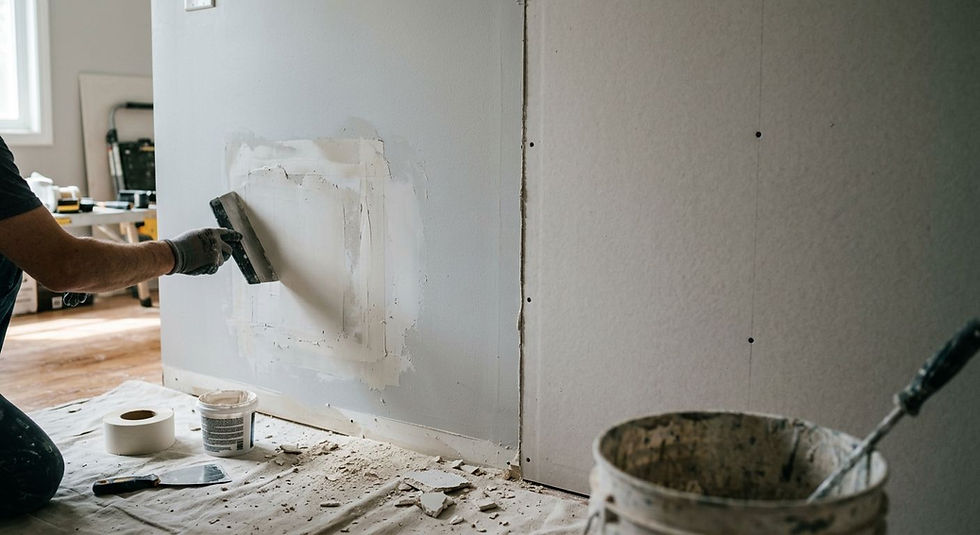
A repair-only scope fits a unit with localized damage and otherwise acceptable finishes. Identify each defect by room and describe the expected result: a repaired wall, an adjusted door, or a replaced damaged tile. Avoid instructions such as fix everything, which do not define a finish standard.
The advantage is a focused scope. The limitation is appearance: a localized repair does not necessarily produce a uniform finish across the surrounding surface. Choose repair-only work when the existing finishes can stay and the repair boundaries are clear.
Paint-and-repair make-ready: best for consistent wall finishes
A paint-and-repair scope combines surface repairs with painting of specified walls, ceilings, or trim. State the surfaces separately, including areas you want excluded. A room description alone does not establish whether doors, baseboards, closets, or ceilings are part of the work.
The advantage is clearer control over the finished appearance. The trade-off is broader preparation and finishing work than isolated touch-ups. For a 2026 estimate, define the desired finish before comparing proposals; otherwise, one provider’s full-room scope can look less attractive beside another provider’s limited touch-up scope.
Replacement or remodeling: best for work beyond surface repair
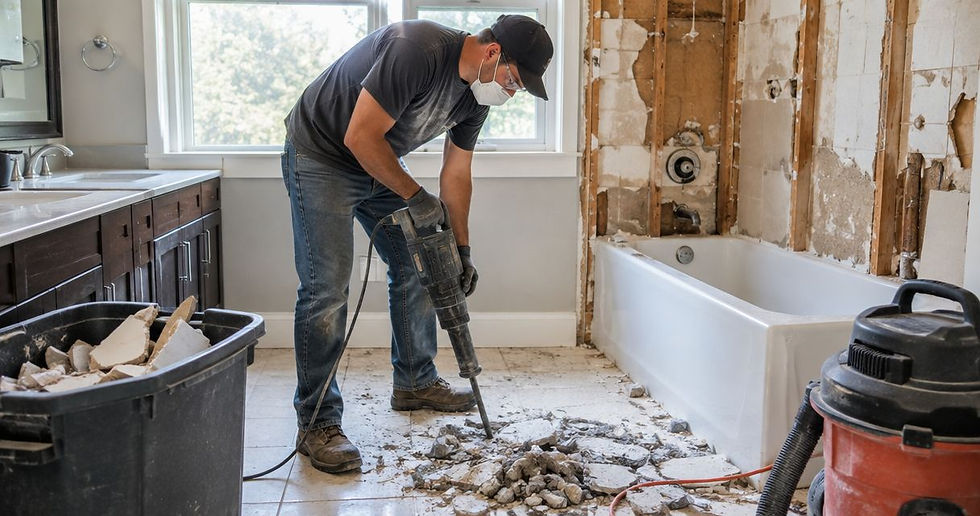
Replacement or remodeling addresses items that a patch or coat of paint will not resolve. Examples include damaged tile that requires replacement or a bathroom project with changes beyond restoring existing finishes. Keep these projects distinct from the basic make-ready list.
The advantage is addressing the underlying project rather than disguising it. The limitation is a wider scope with more decisions about materials, preparation, and coordination. Treat replacement work as its own approved project when it changes what the basic turnover includes.
Compare the scopes before comparing totals
These three approaches are not interchangeable. Choose the scope that matches the condition and the finish you need, then ask each provider to estimate that same work.
Scope | Best for | Main advantage | Main limitation |
Repair-only | Isolated defects with acceptable surrounding finishes | Keeps work focused on listed damage | Localized repairs do not guarantee uniform appearance |
Paint-and-repair | Rooms needing repaired surfaces and consistent coverage | Defines a broader finished surface | Requires more preparation and finishing work |
Replacement or remodeling | Damage or changes beyond surface repair | Addresses work a cosmetic fix cannot resolve | Adds material decisions and project coordination |
Why apartment make-ready scope varies
The apartment label does not describe the work. Build your estimate around these factors so the provider can distinguish visible repairs from broader finishing or replacement requirements.
Condition: List damaged areas separately from ordinary cleaning or cosmetic preferences. Water-damaged surfaces need a different assessment from small, dry wall defects.
Extent: Identify whether work affects a spot, a complete wall, a room, or multiple rooms. Describe the repair boundary rather than relying on the apartment’s overall size.
Finish expectations: Specify whether a localized touch-up is acceptable or whether you expect the complete surface to look consistent.
Material choices: Identify what stays, what gets replaced, and who selects replacement materials. Do not assume an existing tile or paint finish can be matched exactly.
Access and sequence: State when the unit is available, what remains inside, and whether other work must finish first. Keep access arrangements distinct from the promised completion date.
Discovered damage: Establish an approval process for conditions exposed during repairs. A written change process keeps added work separate from the original agreement.
For 2026 turnover planning, record these factors during the walk-through. Photos help locate defects, but they do not replace an assessment of moisture, loose materials, or concealed damage. Describe what you see without diagnosing what you cannot inspect.
How do I request a useful make-ready estimate?
Give every provider the same room-by-room punch list. A consistent request makes differences in coverage visible and helps you identify omissions before work starts. Use this five-step process for each unit.
Inspect rooms. Walk through each room and record visible damage, unfinished surfaces, and items that do not function as intended. Include closets and other areas you expect the work to cover.
List repairs. Name the task and location instead of writing a broad instruction. For a wall repair, identify the affected surface and whether painting belongs in the same task.
Define finishes. State the result you expect after repair. Distinguish an acceptable touch-up from a complete painted wall, and identify materials you want retained.
Confirm exclusions. Ask what is outside the proposed scope, including cleaning, material removal, appliance work, or specialist repairs. Do not treat an unmentioned task as included.
Approve changes. Agree on how newly discovered work will be described and approved. Keep a record of the revised scope before additional work begins.
Define the finished result before comparing estimates.
Your punch list should also state who accepts the completed work. Review the listed tasks against the finished surfaces, not just whether someone visited the property. A clear acceptance standard connects the estimate, the work, and the final inspection.
What should the written scope say?
A useful instruction combines location, task, and finish. For example, describe a damaged bedroom wall, the repair required, and whether the entire wall should be painted afterward. That is more actionable than a general request for drywall work.
Record exclusions beside the relevant task. If a wall repair does not include addressing the source of moisture, keep that distinction visible and resolve the moisture problem before finishing the surface. Do not approve a cosmetic repair as a substitute for identifying why the damage occurred.
How do I compare make-ready estimates fairly?
Compare coverage before the total. Mark each task as included, excluded, or requiring clarification, then ask providers to resolve the differences. A shorter proposal is not automatically a simpler job; it can also leave decisions unrecorded.
Check responsibility as carefully as the repair description. Identify who purchases materials, protects surrounding surfaces, removes debris, coordinates access, and handles changes. You need these answers to understand what you are approving.
For your 2026 comparison, separate required restoration from optional improvements in every proposal. Approve the base work on its own merits, then decide whether the upgrade belongs in the same project. This keeps a finish preference from quietly becoming part of the repair requirement.
Can a handyman handle the whole apartment make-ready?
A handyman’s fit depends on the specific tasks, not the make-ready label. Confirm the provider’s scope before assuming cleaning, appliance service, electrical work, plumbing work, or property-wide coordination is included. Assign work requiring a specialist to an appropriately qualified provider.
My Favorite Handyman is a fit for homeowners needing residential painting, drywall, tile, or remodeling in Austin, Round Rock, and Cedar Park. Those services are relevant to the repair portion of a turnover; do not treat them as confirmation of a complete apartment make-ready package.
Review My Favorite Handyman when your project matches those residential services. The practical advantage is a service offering relevant to those repairs. The boundary is equally important: confirm the particular job and its exclusions before assuming it covers every turnover task.
Discuss your residential repair scope
Ask My Favorite Handyman about painting, drywall, tile, or remodeling work for your property.
Should I repaint every apartment between tenants?
Do not decide from the turnover date alone. Inspect the walls and define whether cleaning, localized repair, touch-ups, or broader painting will meet your finish requirements. The scope should reflect the actual surfaces rather than an automatic full repaint.
Touch-ups keep the affected area limited, but differences in color or sheen can remain visible. Broader painting defines a more consistent finished surface, but includes more work. Choose deliberately and put that choice in the estimate.
Does make-ready include fixing water damage?
Only include water-damage restoration when the written scope expressly describes it. Separate correcting the source of moisture from repairing the damaged surface; completing one does not establish that the other has been addressed.
Ask what assessment is needed before the surface is closed and finished. If the work exposes additional damage, use the agreed change process rather than treating it as an automatic extension of the original repair.
FAQ
What determines apartment make ready cost per unit?
Apartment make ready cost per unit depends on the documented repairs, finishing requirements, materials, preparation, and exclusions. Compare written estimates for the same unit and the same scope.
Is an apartment make-ready the same as a remodel?
An apartment make-ready is not automatically a remodel. Keep work that restores existing finishes separate from improvements that change materials, layout, or the project scope.
Should painting be included in a drywall repair estimate?
Painting should be explicitly included if you expect a painted result. Specify whether the provider will paint the repaired spot, the complete wall, or the room.
Can I get a useful estimate from photos alone?
Photos help describe visible damage, but they do not establish the full condition of concealed or moisture-affected surfaces. Ask whether an on-site assessment is needed before the repair scope is finalized.
Does every make-ready estimate include cleaning?
Do not assume cleaning is included. Ask whether the proposal covers work-area cleanup, debris removal, and any separate cleaning you require before occupancy.
Does My Favorite Handyman provide services relevant to a make-ready?
My Favorite Handyman provides residential home repair, remodeling, painting, drywall, tile, and bathroom remodeling services to homeowners in Round Rock, Cedar Park, and Austin, Texas. Confirm the specific turnover tasks before treating those services as a complete make-ready package.
How should I handle extra repairs found during the work?
Require a written description and approval of added work before it proceeds. Keep the revised scope separate from the original agreement so you can review what changed.
One last thing
Write the acceptance checklist before approving the estimate. If you cannot describe how you will judge a completed repair, the provider does not yet have a clear finish requirement. For your 2026 make-ready process, use the same checklist at inspection, approval, and completion so the job is measured against what you actually requested.