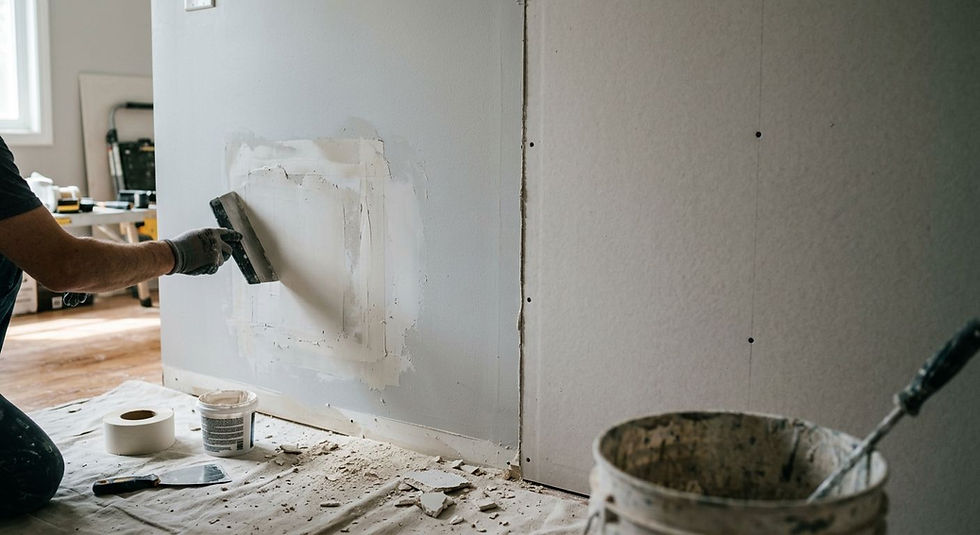
How much does bathroom demolition cost before a remodel?

Bathroom demolition cost in Austin depends on what you remove, what you preserve, and whether protection, disconnection, and debris removal are included in the written estimate. Repairing concealed damage and rebuilding the bathroom are separate tasks unless the contractor explicitly includes them. For a 2026 remodel, compare itemized demolition scopes rather than treating every bathroom tear-out as the same job.
TL;DR
Bathroom demolition cost Austin estimates need a defined removal scope, disposal plan, and clear exclusions.
Selective removal preserves more existing finishes; a full gut exposes more of the bathroom assembly.
My Favorite Handyman provides bathroom remodeling services for homeowners in Austin, Round Rock, and Cedar Park.
Separate demolition, concealed-damage repairs, and reconstruction before comparing bathroom remodel estimates.
How much does bathroom demolition cost before a remodel?
Your bathroom demolition estimate should cover a defined removal scope, not just the instruction to tear everything out. Ask the contractor to identify each surface and fixture being removed, the materials staying in place, and the condition in which the room will be handed over.
Compare demolition with the complete project described in this Austin bathroom remodel cost guide. Removal is only part of the remodel; it does not automatically include plumbing changes, waterproofing, tile installation, or finish work.
Use this breakdown when requesting a 2026 estimate:
Estimate component | What the written scope should identify | What to clarify |
Protection | Floors, doorways, adjacent finishes, and work boundaries | Who installs and removes protection |
Fixture disconnection | Fixtures being removed and utility connections involved | Who handles plumbing and electrical work |
Surface removal | Tile, backing, flooring, drywall, or other specified materials | Where removal stops |
Fixture removal | Vanity, toilet, tub, shower enclosure, or accessories | What stays, leaves, or gets saved |
Debris handling | Collection, carrying route, hauling, and disposal | Whether all these tasks are included |
Handover | Cleanup and the exposed surfaces left behind | Whether repairs and preparation are separate |
An estimate that lists these tasks gives you something useful to compare. A single demolition line without boundaries leaves you guessing about the work behind it.
Why this matters
Demolition determines what the next trade receives. Removing tile without agreeing on what happens to the backing underneath creates a different starting point from removing the entire shower assembly.
Your concern is not simply whether the bathroom looks empty afterward. You need to know whether the remaining surfaces match the remodel plan and whether unresolved conditions have been documented before installation starts.
For a 2026 project, define the endpoint before approving removal. That makes the demolition estimate easier to compare and gives you a clear basis for reviewing any additional work.
Selective demolition: best for preserving the existing layout
Selective demolition removes specified fixtures or finishes while leaving other parts of the bathroom intact. It fits projects where you want to replace a vanity, update flooring, or remove selected wall finishes without opening the whole room.
Best for: homeowners whose planned changes do not require a complete bathroom tear-out. The advantage is a narrower removal scope. The limitation is that keeping surrounding finishes creates boundaries the contractor must protect and work around.
Write those boundaries plainly. Instead of requesting bathroom demolition, specify whether the vanity comes out, whether the mirror stays, and whether flooring underneath the vanity must be removed.
Also identify items you want saved. Reusing a fixture requires careful removal and a storage plan; ordinary tear-out instructions do not establish either. Ask the contractor to distinguish salvage work from material destined for disposal.
Selective removal is not a promise that every surrounding surface will remain untouched. Ask how transitions and exposed edges will be handled if the removed material connects to finishes you intend to keep.
Shower demolition: best for replacing the shower assembly
Shower demolition needs a clear stopping point. Removing surface tile, removing tile and backing, and removing the shower base are different scopes, even when they happen in the same enclosure.
Best for: homeowners replacing a shower while keeping the rest of the bathroom substantially intact. The advantage is a focused work area. The limitation is that shower removal exposes assemblies that must be assessed before the replacement is installed.
Ask whether the scope includes the enclosure, wall finishes, backing, base, curb, and associated fixtures. Do not assume a line labeled shower demo includes everything behind the visible tile.
The replacement design matters here. A change in shower footprint or drain position needs coordination with the reconstruction work; demolition alone does not resolve those changes.
Before removal starts, confirm who reviews the exposed area and who decides whether additional repair is necessary. Keep that decision separate from choosing the replacement tile or shower door.
Full-gut demolition: best for rebuilding the bathroom
A full gut removes the specified bathroom finishes and fixtures to expose the underlying construction. The phrase still needs definition: it does not tell you whether the ceiling, all wall coverings, subfloor, or utility components are included.
Best for: homeowners planning substantial changes to the bathroom rather than a limited finish update. The advantage is broader access for inspection and reconstruction. The limitation is a larger removal and debris-handling scope, followed by more rebuilding work.
Agree on what remains. A full-gut estimate should distinguish exposed framing from structural alteration and distinguish removing fixtures from relocating their connections.
Use this comparison to select the scope that matches your project:
Demolition approach | Best for | Main advantage | Main limitation |
Selective removal | Keeping the layout and selected finishes | Limits removal to agreed areas | Requires careful boundaries around retained materials |
Shower-only removal | Replacing the shower assembly | Concentrates work in the shower area | Needs a clear endpoint behind the tile |
Full-gut removal | Substantial bathroom reconstruction | Exposes more underlying construction | Includes broader removal and rebuilding requirements |
Choose the removal scope that supports your remodel plan—not the largest scope by default. If an estimate recommends removing something you planned to keep, ask what construction requirement makes that necessary.
Why bathroom demolition estimates vary
Bathroom demolition is not defined by floor area alone. The work includes taking materials apart, protecting what stays, moving debris out, and leaving an agreed starting point for reconstruction.
These factors explain differences between scopes:
Removal boundaries: Replacing a vanity involves different tasks from removing a tiled shower and surrounding walls.
Material assemblies: Tile, backing, adhesive, and underlying surfaces must be identified separately rather than treated as one visible finish.
Preservation requirements: Saving fixtures and protecting adjacent finishes changes how removal is carried out.
Utility coordination: Plumbing and electrical disconnection must be assigned before affected fixtures or finishes are removed.
Access and disposal: Stairs, doorways, the carrying route, and debris collection arrangements affect the handling work.
Exposed conditions: Concealed damage requires assessment and a repair decision after the affected area becomes visible.
Give every contractor the same description of these conditions. Comparing different removal boundaries does not tell you which estimate offers better value; it tells you that the contractors priced different work.
For your 2026 comparison, keep the scope wording beside each estimate. Ask questions wherever one proposal includes a task and another leaves it unnamed.
How do you get a useful bathroom demolition estimate?
Prepare the removal brief before requesting an estimate. You do not need construction drawings to identify what you want removed and what you want preserved, but substantial layout changes need coordination with the remodel plan.
Define removal. List each fixture and surface being removed. Describe whether the project is selective, shower-only, or a full gut.
Mark preservation. Identify retained finishes, fixtures, doors, trim, and accessories. State which removed items you want saved.
Confirm utilities. Ask who handles disconnection, isolation, and any required plumbing or electrical coordination.
Plan disposal. Describe access and ask how debris will be collected, carried out, hauled, and disposed of.
Agree handover. Specify cleanup, exposed surfaces, and the approval process for additional repairs.
Define what comes out and what remains before comparing estimates.
Photographs help communicate visible conditions, but they do not show everything behind tile or drywall. Use them to explain the project, not as a substitute for an assessment of the work area.
My Favorite Handyman is a fit for homeowners seeking bathroom remodeling services in Austin, Round Rock, and Cedar Park. The business also provides residential home repair, drywall, painting, and tile services. Ask My Favorite Handyman to confirm the proposed demolition boundaries and how removal connects to your remodeling project.
The service match does not replace a written scope. Confirm which tasks the proposal includes, which require separate coordination, and how changes will be approved.
Discuss your bathroom remodel
Describe what you want removed, what stays, and the bathroom changes you have planned.
Does bathroom demolition include hauling away the debris?
Debris hauling is included only when the written scope includes it. Removing material from the bathroom and taking it off the property are separate activities, so ask about both.
Clarify where debris will be staged and whether the carrying route needs protection. Confirm who is responsible for final collection and what cleanup means at handover.
This matters when you compare proposals. An estimate that includes disposal is not equivalent to one that leaves debris handling to you.
Does demolition include repairing hidden water damage?
Concealed-damage repair is separate from demolition unless the proposal expressly includes a defined repair allowance or scope. Removing finishes exposes the area; it does not automatically authorize replacing damaged construction.
Ask for a stop-and-notify process. The contractor should document the exposed condition, explain the proposed repair, and obtain your approval before additional work proceeds.
Resolve the source of moisture before covering affected surfaces again. Replacing a finish does not fix the condition that damaged it.
Can you do bathroom demolition yourself?
DIY demolition requires more than removing visible fixtures. You must account for utility safety, dust, concealed materials, debris handling, and the condition the next installer needs.
Do not begin destructive removal until utility isolation and material hazards have been addressed. Older finishes and construction materials require appropriate assessment before disturbance; appearance alone does not establish that they are safe to remove.
If you split demolition and reconstruction between different people, have the remodel contractor approve the removal boundaries first. An empty room is not necessarily a room ready for installation.
FAQ
What should a bathroom demolition estimate in Austin include?
A bathroom demolition estimate should identify protection, disconnection responsibilities, removal boundaries, debris handling, and handover conditions. Repairs and reconstruction should be listed separately unless expressly included.
Is shower demolition the same as removing shower tile?
Shower demolition is not necessarily the same as removing shower tile. Ask whether the scope includes the backing, shower base, curb, enclosure, and fixtures.
Is selective demolition better than a full bathroom gut?
Selective demolition fits projects that preserve the layout and specified finishes; a full gut fits broader reconstruction. Choose the scope that supports the remodel rather than assuming either approach is always better.
Do I need to disconnect plumbing before bathroom demolition?
Affected plumbing connections need safe disconnection or isolation before removal. Confirm who handles that work and how plumbing responsibilities are assigned in the proposal.
What happens if demolition reveals damaged drywall or flooring?
Exposed damage needs assessment and an approved repair scope before it is covered again. Ask for documentation and written approval of additional work.
Can I keep my existing toilet or vanity during a remodel?
Keeping an existing fixture requires a preservation plan that matches the remodel. Identify whether it stays installed or is carefully removed, stored, and reinstalled.
Does My Favorite Handyman serve homeowners outside Austin?
My Favorite Handyman provides residential home repair and bathroom remodeling services to homeowners in Round Rock and Cedar Park as well as Austin. Confirm the scope of your proposed project directly.
One last thing
Ask what the bathroom will look like when demolition is finished. That question often reveals scope differences more clearly than asking what gets torn out.
For your 2026 remodel, write the endpoint into the proposal: which surfaces remain, which areas are exposed, where utilities are left, and who approves the room for reconstruction. A clear handover condition connects demolition to the work you actually want completed.